
From Kenya's Highlands to Your Roaster.
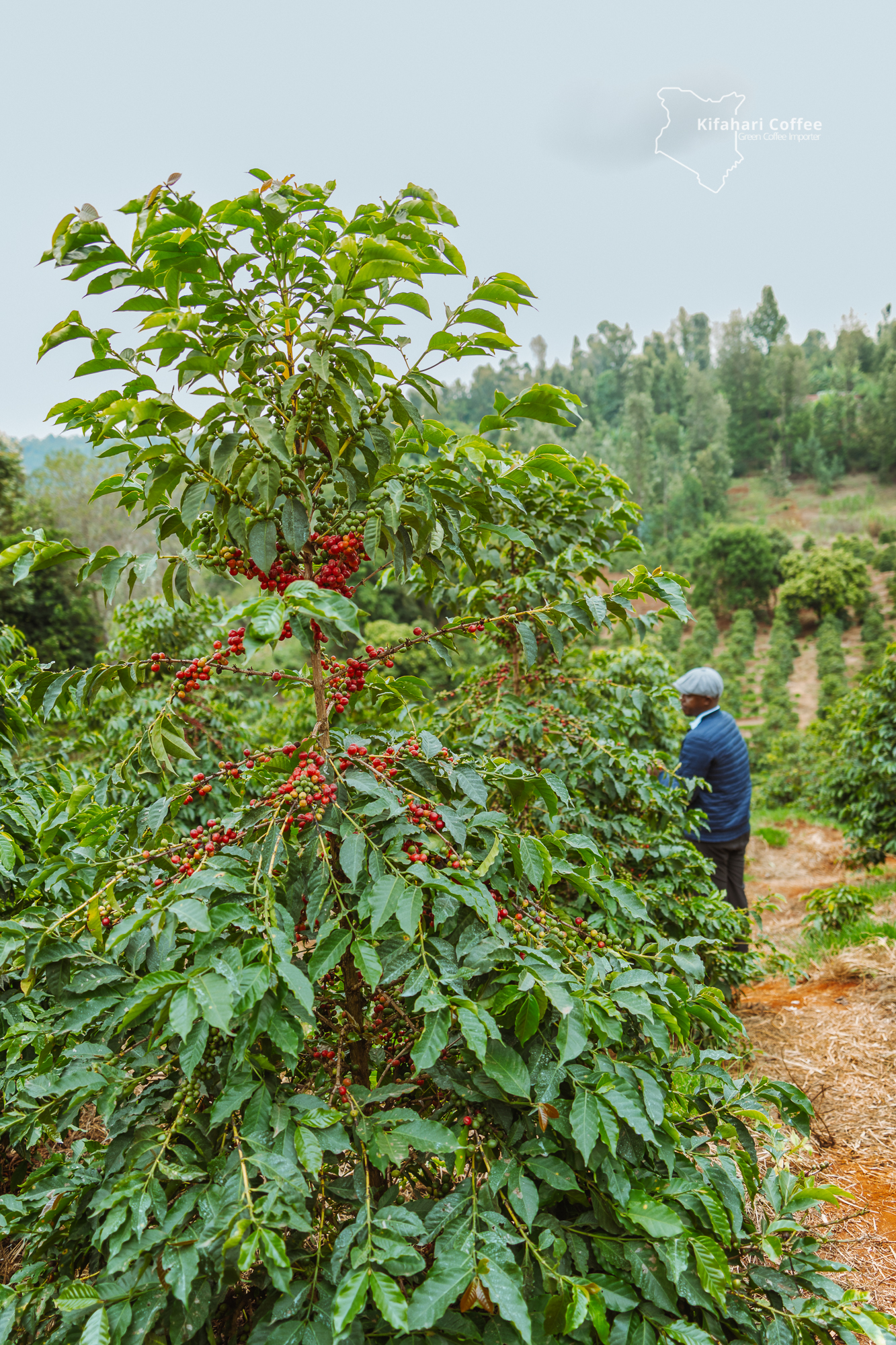
Our coffee is grown from the high plateaus of Mount Kenya villages. This results to coffee that is well known for its intense flavor, full body, and pleasant aroma.
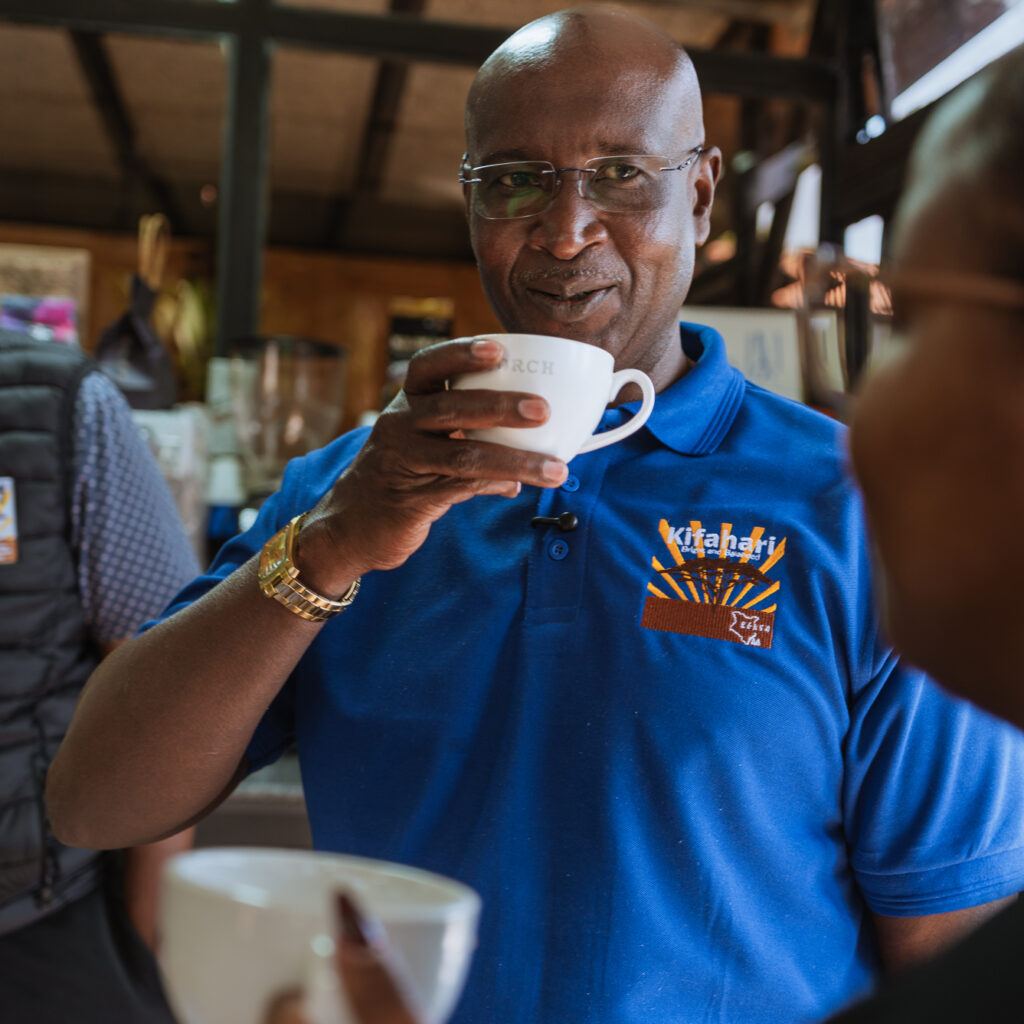
A son of Kenya, on a mission.
Wilson Muinamia grew up in Nairobi — in a country that produces some of the world’s most celebrated coffee, yet rarely sees its farmers rewarded for it. The cooperatives on the slopes of Mount Kenya had been growing exceptional beans for generations. The world was drinking it. The value rarely made it back home.
In 2014, Wilson founded Kifahari Coffee — kifahari meaning “excellence” in Swahili — to bridge that gap. Not as a middleman, but as a partner. Travelling village to village across Kenya’s highland cooperatives, he built direct relationships that now underpin every lot we supply.
Today, Kifahari is your direct line to Kenya’s finest green bean coffee — with full traceability, consistent quality, and a supply chain built on genuine human partnership.
Why Us
Our Commitment to Excellence
Fair Farmer Pricing
By removing unnecessary intermediaries, a greater share of the final price reaches the farmers and cooperatives who grew the coffee. Transparent pricing. No hidden margins.
Community Investment
We work with cooperatives that reinvest in their communities — funding schools, healthcare access and shared farm infrastructure. Quality coffee supports this cycle directly.
Sustainable Farming
Our partner cooperatives use environmentally sound wet-processing methods that conserve water and protect highland ecosystems — preserving Kenya's coffee country for future generations.

See the Story Behind the Coffee
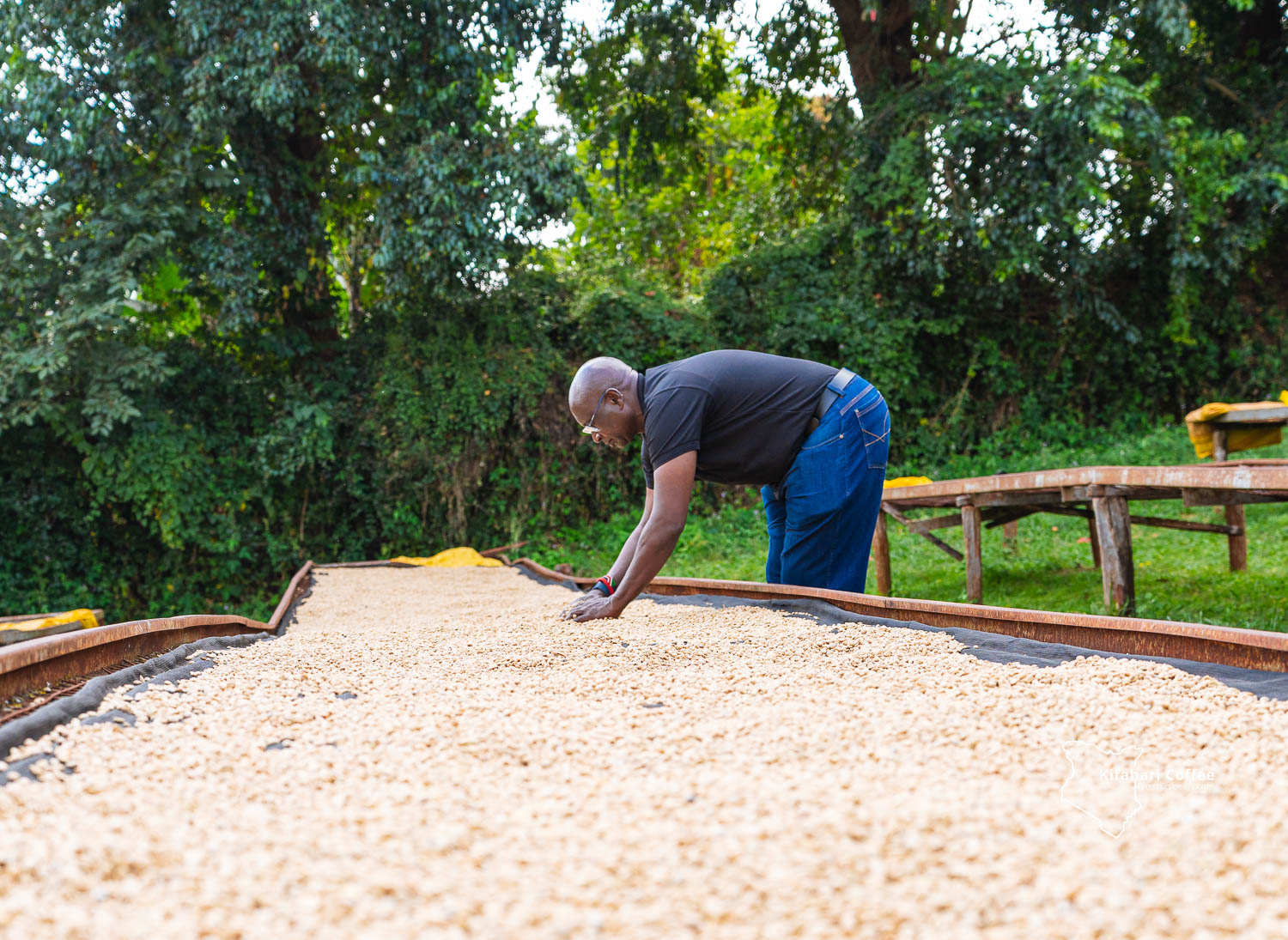
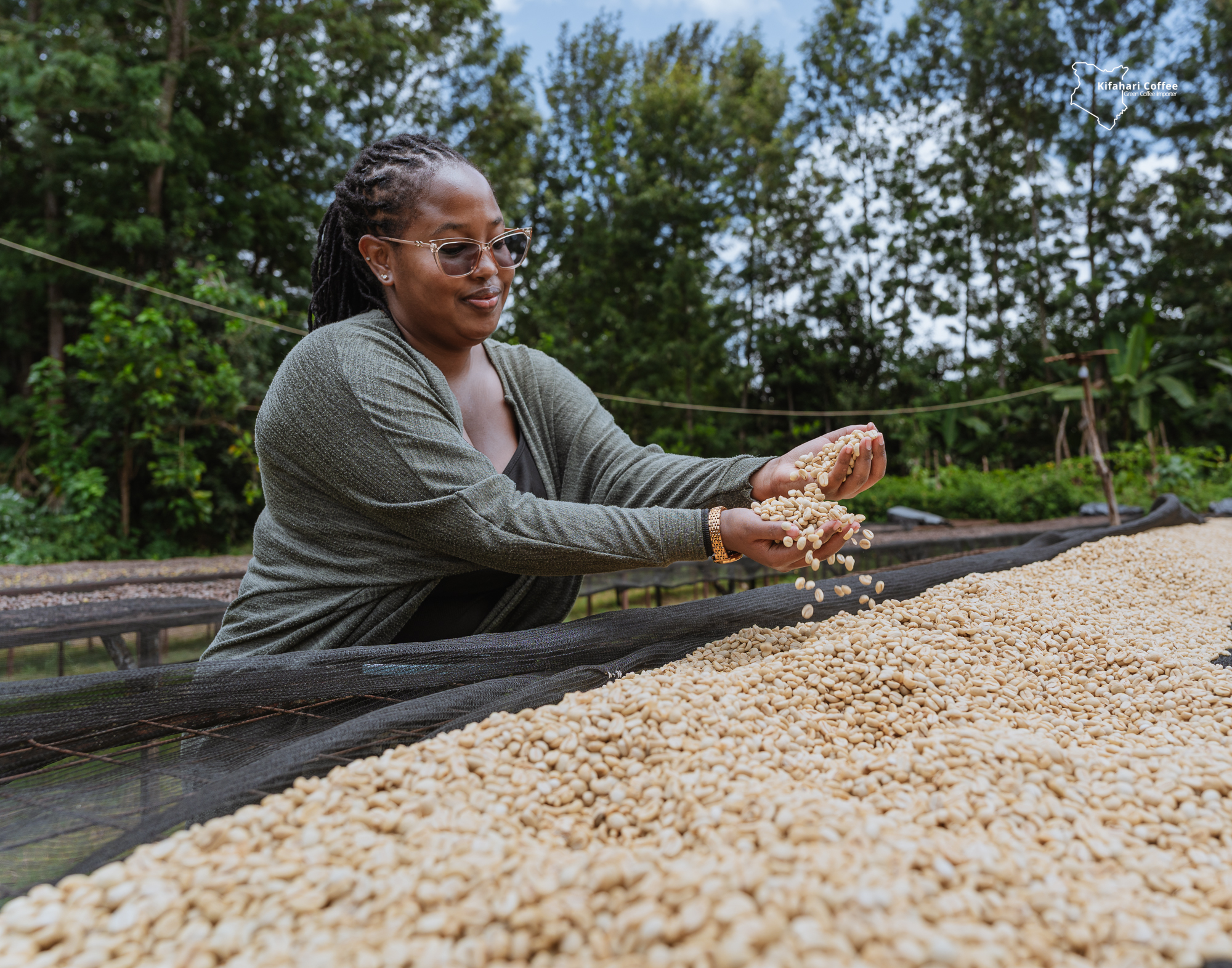
Take a look inside the journey from freshly delivered coffee cherries to carefully graded green coffee.
Featured Products


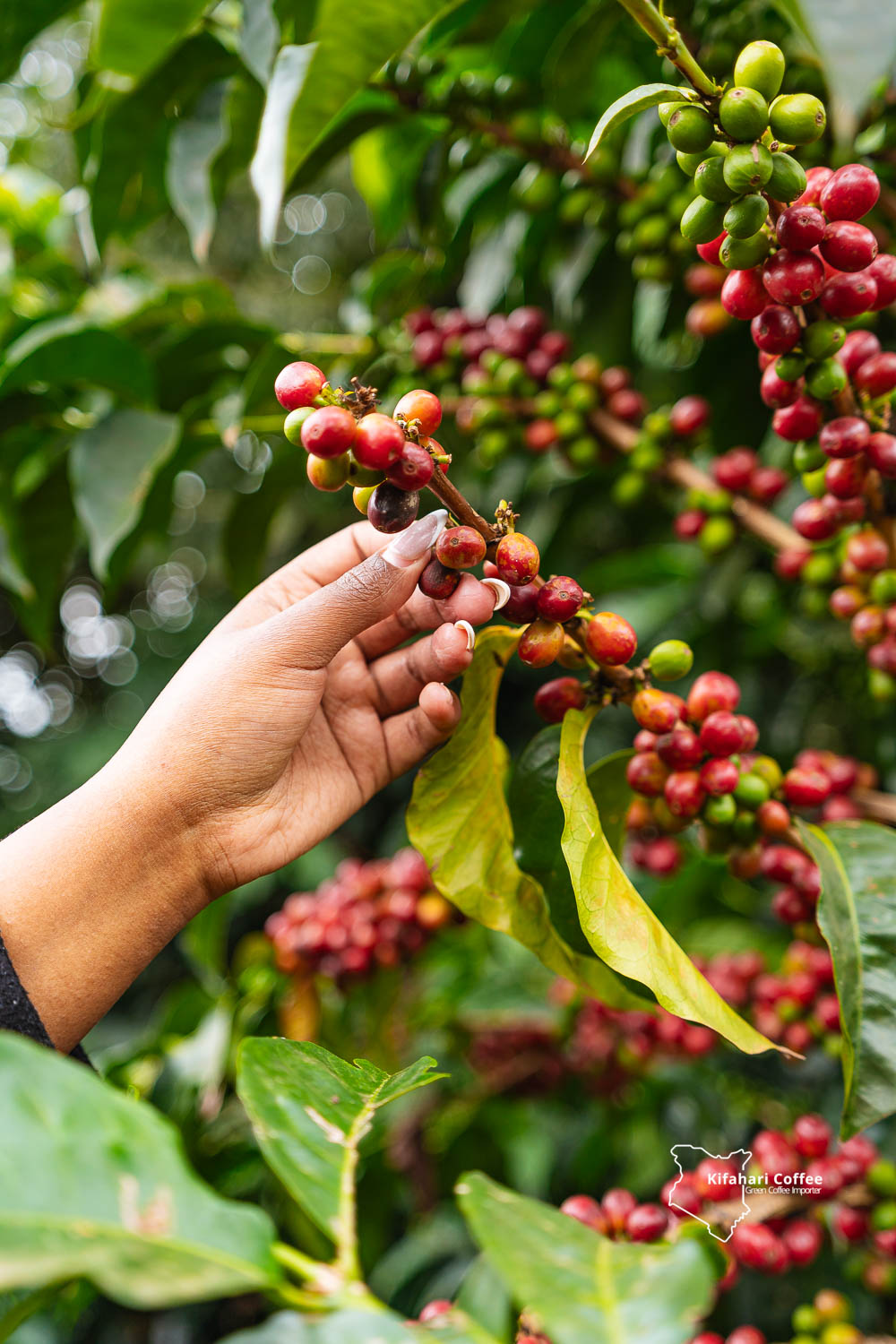
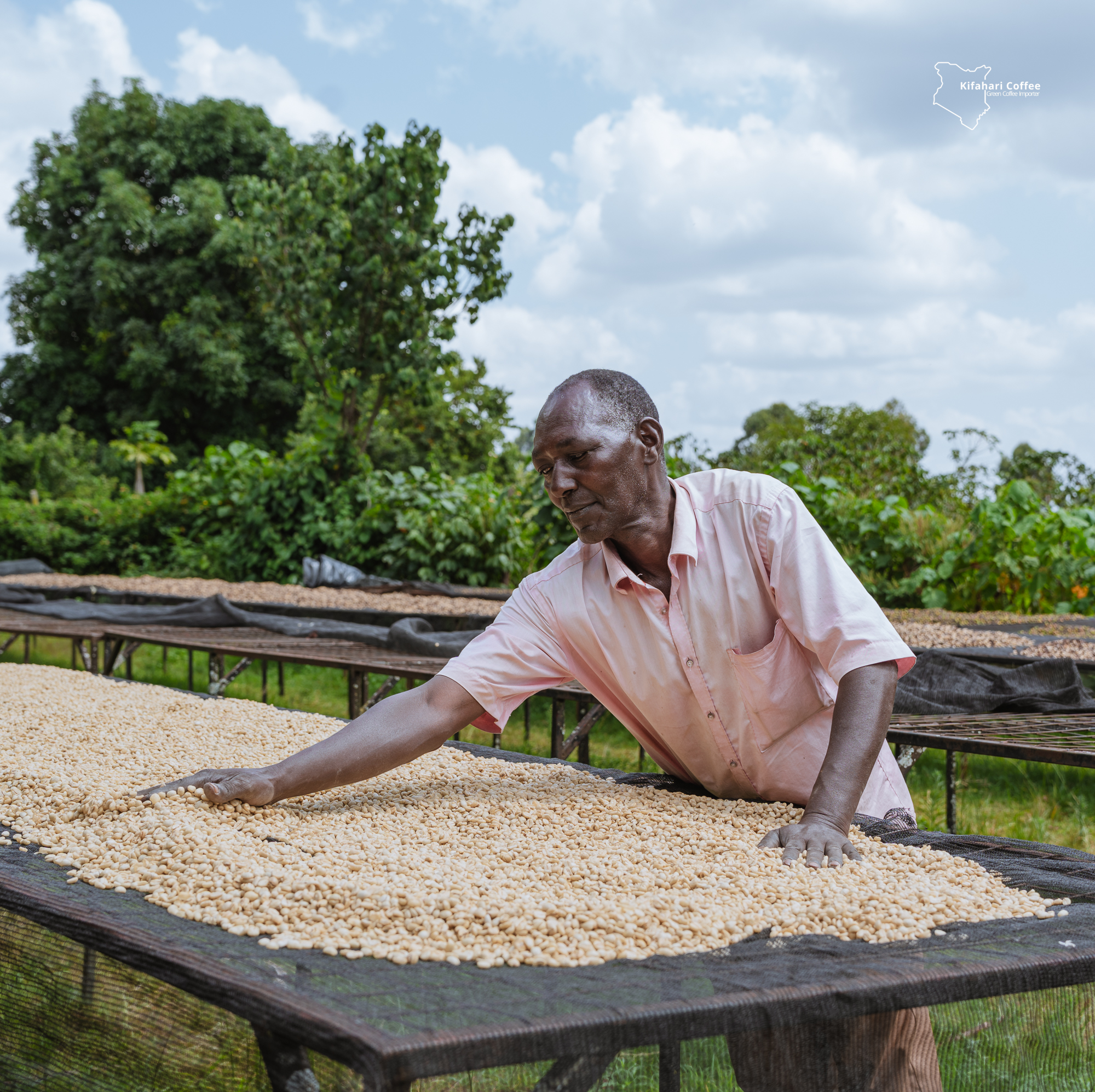
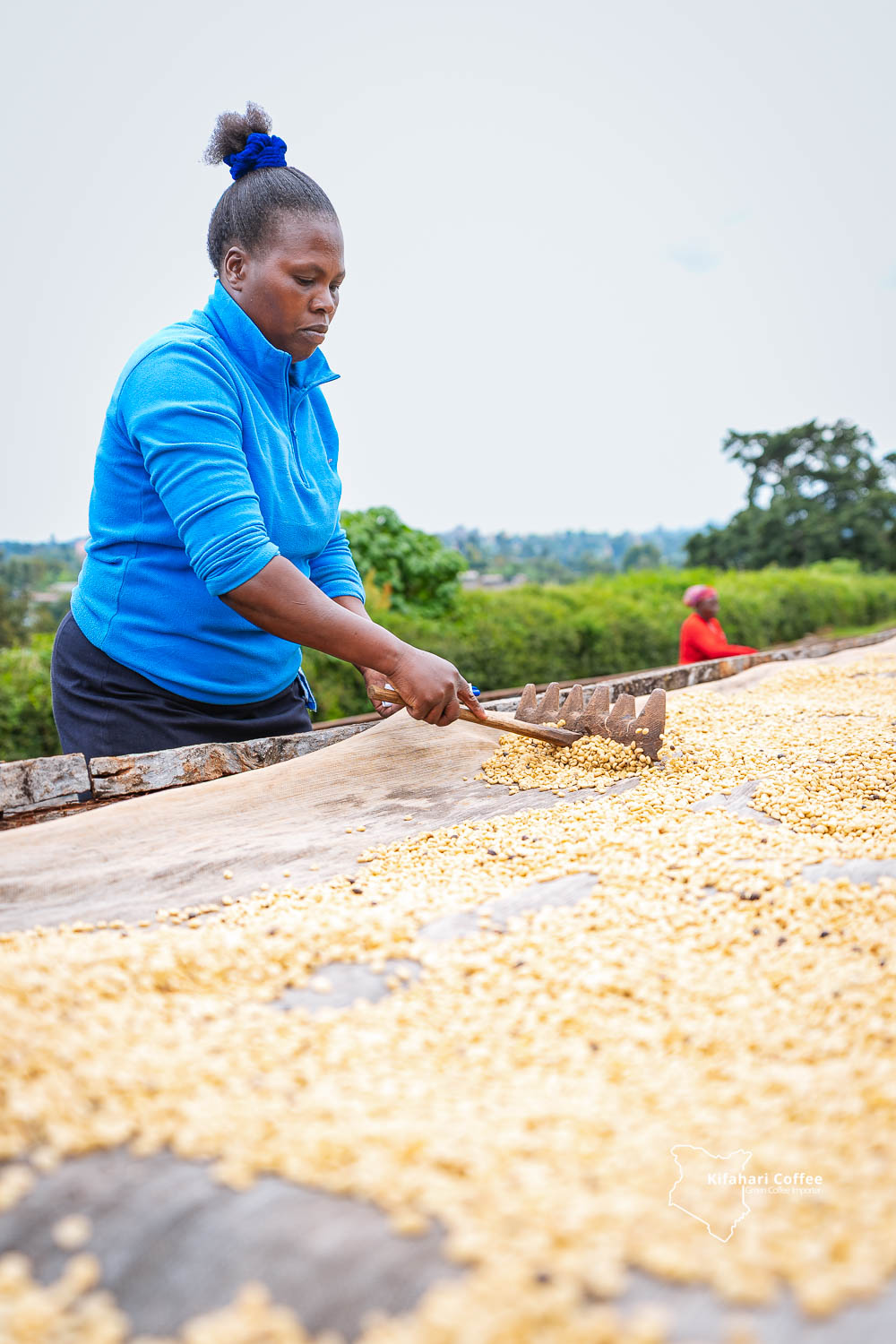
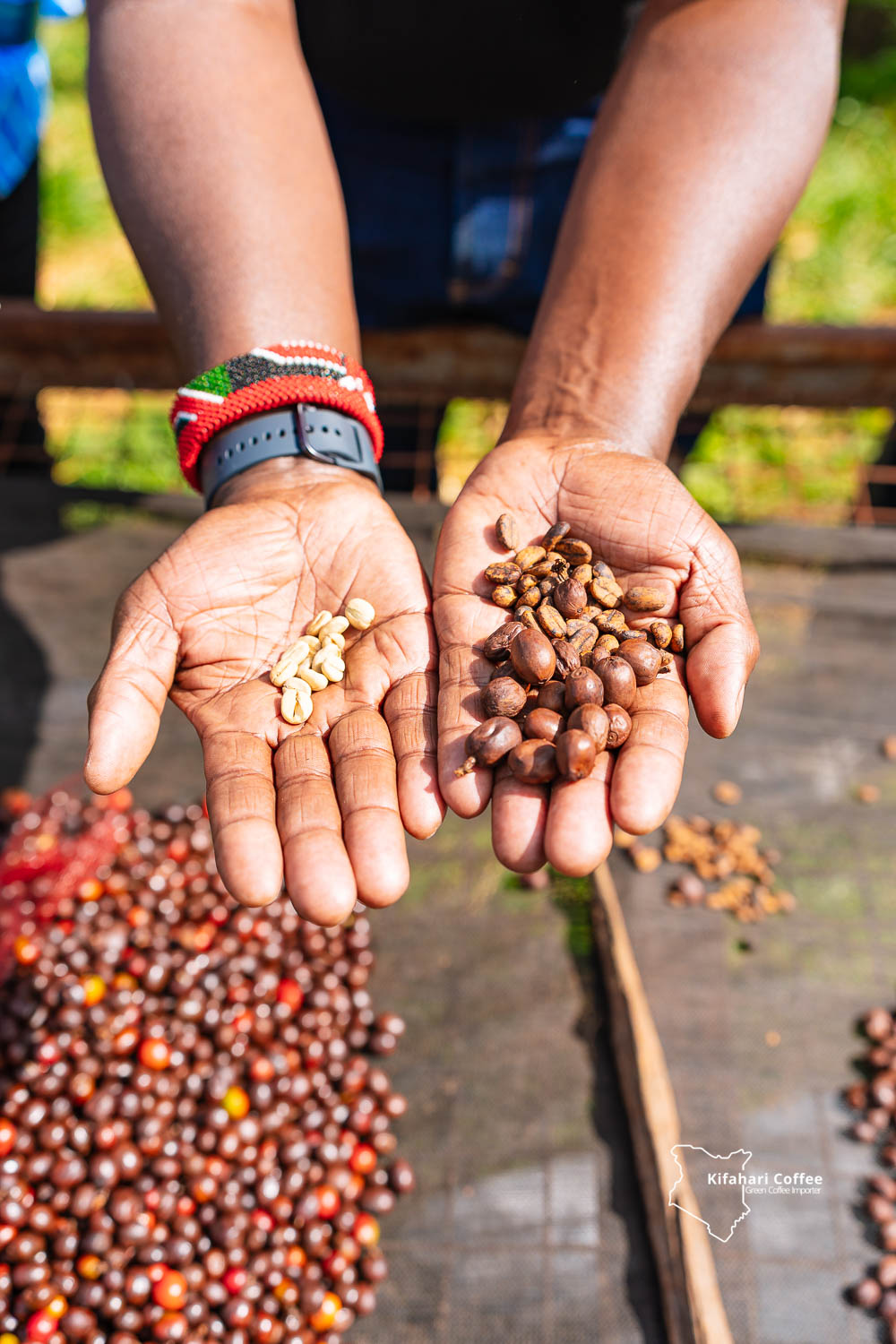
Our Farm Gallery


Hear what our customers are saying
Frequently Asked Questions (FAQs)
Kifahari is a Swahili word meaning “elegant” or “refined.” It reflects both the quality
of our coffees and the grace of the hands that grow them.
We source directly from farmers and cooperatives in Nyeri, Kirinyaga, Embu, and
other key growing regions in Kenya. Each region offers distinct terroir and flavor profiles.
No, we don’t farm coffee ourselves. Instead, we partner directly with smallholder
farmers and cooperatives, ensuring fair practices, sustainability, and traceability at every
stage.
We prioritize direct relationships with farmers, not middlemen. This allows us to offer
traceable, impact-driven coffees while ensuring our producers earn better incomes.
Most of our coffees are fully washed, meaning cherries are pulped, fermented, and
washed before being dried on raised beds. This process highlights clean, crisp acidity and
vibrant notes.
Parchment coffee is the stage after fermentation and drying but before hulling.
The beans are still wrapped in a thin layer called parchment — it protects quality and allows
for better storage before milling.
These are Kenyan grading terms based on bean size and density, not quality alone.
AA beans are larger and denser, often resulting in more complex flavors — but flavor also
depends on origin and processing.
While most of our producers use low-input, organic-adjacent farming practices,
we currently work more on transparency and sustainability than on formal
certifications. Our traceability is our badge of honor.
No — Kifahari is a green coffee exporter and importer. We specialize in sourcing
and supplying premium Kenyan green coffee to specialty roasters globally.
Currently, we focus on B2B relationships with roasters and green coffee buyers.
However, we occasionally offer sample packs and special lots through partners.
Ready to bring Kenya's finest to your roaster?
Request cupping samples from any of our current lots — no commitment required. We’ll follow up with full lot information, pricing and seasonal availability.