
The Green Bean Coffee
Production
Kenya produces only Arabica coffee, mainly from the Bourbon and Kent varieties (traditional
SL28 / 34 and K7) but increasingly also from a recently developed hybrid R11 and the very newest variety, Batian. Research into new higher yielding, disease resistant, excellent cupping varieties is continuous at the well-established Coffee Research Foundation premises near Nairobi. The production area lies between 1,200 and 1,800 meters above sea level, mainly in the hilly and fertile center of the country. Mt. Kenya, which at 5,200 meters is the second highest peak on the continent, dominates the coffee landscape and remains a sacred place for the Kikuyu tribe living on its slopes and environs. Smallholders, who account for at least 60% of total production and the majority of top qualities, are organized into cooperatives, each with one or more wet mills, or ‘factories’. The strong social structure built around these factories provides for vibrant rural coffee communities where generations of farmers uphold traditional values and practices.
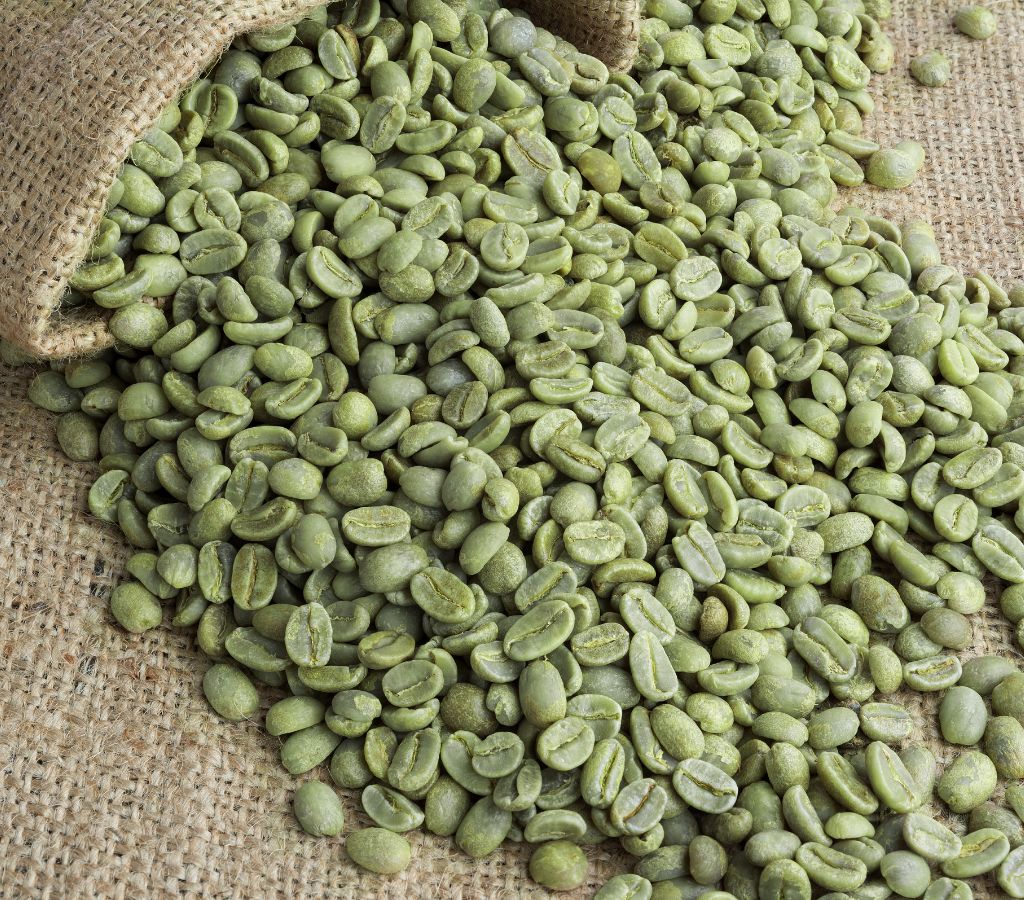

Processing & The Internal Market
Ripe coffee cherries are delivered to the cooperative factories for pulping, fermentation, washing / grading and drying. The dry parchment will then be delivered to the various commercial dry mills for hulling, grading and bagging off into 60 kg sisal export bags. Important to note is that Kenya coffee is fully washed and ‘batch-processed’ in relatively small quantities, and each batch retains its identity and is fully traceable.
Coffee Tasting Test
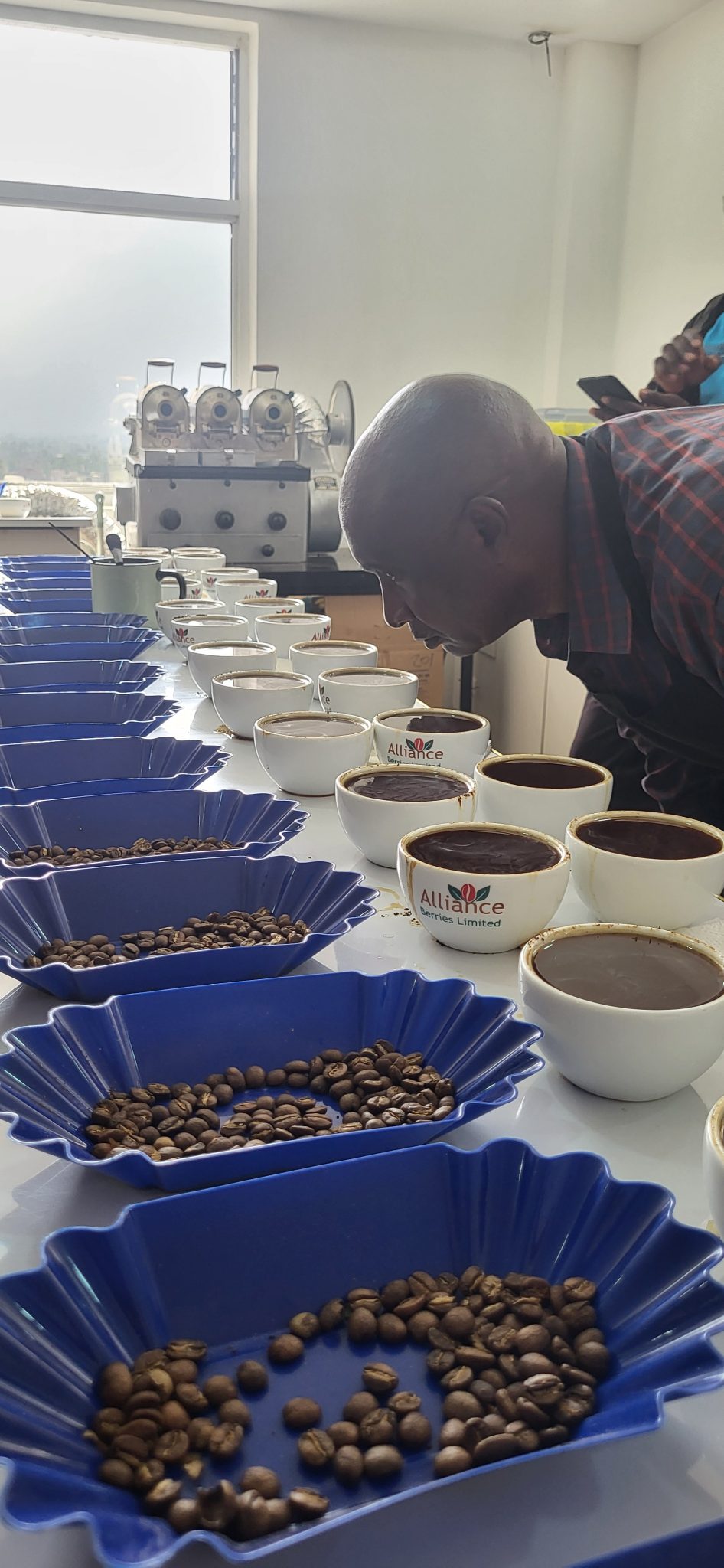
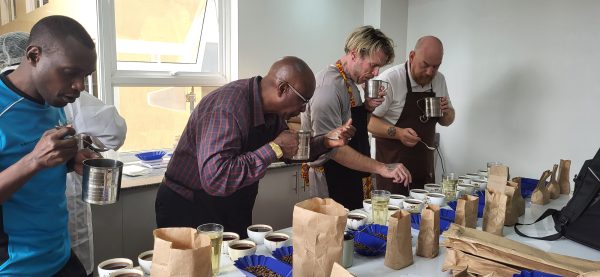
Kifahari Coffee Testing is an elaborate way where coffee is critically tasted and assessed to determine its quality, flavor profile, & characteristics.
The process includes assessing the coffee’s aroma, sweetness, acidity, body, and the after taste, serving as the backbone of quality control. It also ensures that every batch of coffee maintains consistent standard, meeting the brand’s and consumers’ expectations.
Paying attention to sensory analysis, we can refine their blends, experiment with new roasting techniques, and explore different beans to develop unique and compelling products. Therefore, it provides invaluable insights into how subtle changes in the production process can dramatically alter the final product’s taste and appeal.
Benefits of Testing
Quality Control Enhancement – Maintain the high standards of quality in the coffee and consistency.
Cupping – Sensory review for the Best Taste or flavor, Aroma, Acidity and the aftertaste for our customers
Physical Analysis– Evaluate size, shape, & color of coffee beans. determining less moisture levels and ensuring proper roasting to prevent
Visual Review– Check for discoloration or unusual signs to determine the freshness of the bean

Enter your email address to be updated with fresh news
Receive emails updates and hot offers